Date: 29 Apr 2026 | Category : tms therapy
A Nonsurgical Option for Brain
Stimulation and Neurological Rehabilitation
Transcranial Magnetic Stimulation or
TMS, uses magnetic pulses that gently target specific parts of the brain. Many
healthcare programs now use it more often as a part of a broader approach to
treat some neurological or mental health issues.
At our hospital, TMS is offered as an
advanced supportive therapy under expert medical supervision. It may help
improve brain function, support recovery, and enhance rehabilitation when
combined with standard treatments.
Transcranial Magnetic Stimulation is a
procedure that uses controlled magnetic pulses to stimulate targeted brain
areas. Key highlights are:
● No surgery
● No anesthesia
● No injections
● No hospital
admission required.
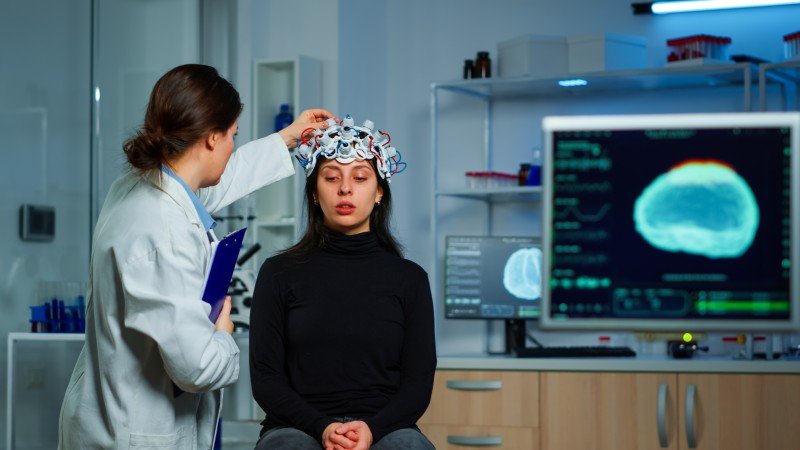
During treatment, doctors place a small
device on the scalp. Magnetic pulses go through the skull and activate brain
cells that control movement, speech, mood, or pain. Most people stay awake and
can go back to their usual activities right after the session.
Our brain has a natural ability to heal
and reshape itself called neuroplasticity. TMS helps this process by gently
activating underactive brain points or calming overactive ones.
TMS is sometimes used as part of a
rehabilitation program for:
A stroke can cause one side of the brain
to lose activity, which affects how a person moves. Using TMS might help the
brain areas communicate better and aid in regaining hand & limb movements
if paired with physical therapy.
It is typically used alongside:
● Physical
therapy
● Occupational
therapy
● Standard stroke
care.
Some stroke survivors struggle to speak
or understand language. With a structured speech therapy program doctors might
use TMS to stimulate parts of the brain tied to language.
Results vary from person to person.
Remember that TMS is often used as additional support rather than a primary
treatment.
Neuropathic pain develops due to nerve
damage or abnormal pain signals in the brain. TMS helps reduce pain intensity
in certain patients by influencing pain processing pathways.
Doctors recommend TMS when:
● Medications
fail to ease neuropathic pain.
● Medications'
Side effects limit their use
● Patients want
to try other non drug approaches.
4. Migraine and Chronic Headache
Certain TMS techniques might diminish
the frequency & intensity of migraine episodes. Doctors create specific
treatment plans by assessing your condition.
In a TMS session you might undergo:
● Sitting
comfortably in a treatment chair.
● A magnetic coil
is placed on your scalp
● Experts send
short magnetic pulses.
You might experience:
● A light tapping
feeling on your head.
● A mild scalp
discomfort at the beginning of the sessions.
Each session usually takes around 20 to
40 minutes. However shorter protocols might require less time.
Treatment plans generally include
several sessions scheduled across a few weeks.
TMS is generally well tolerated. Some
people might experience:
● Mild headache
● Temporary scalp
sensitivity
● Brief facial
muscle twitching.
These effects are usually mild and get
better over time with ongoing treatment. Serious complications are rare when
proper screening guidelines are followed.
TMS might not work for individuals who
have:
● Certain metal
implants in or near the head.
● Uncontrolled
seizure disorders.
● Implanted
medical devices.
Doctors should take a complete medical
history and perform an examination before starting treatment.
TMS may not be suitable for people with:
● Certain metal
implants in or near the head.
● Uncontrolled
seizure disorders.
● Implanted
medical devices.
Doctors must take a complete medical
history and perform an examination before starting treatment.
TMS is not a replacement for standard
medical treatment. It is typically used as an additional therapy. Here are some
key things to remember:
● Results vary
between people
● Improvement may
be gradual
● Many sessions
are often needed
● Continued
rehabilitation is still needed.
Some patients notice improvement within
a few weeks, but others need more time for results.
Patients often consider TMS because it:
● Is non-invasive
● Does not
require sedation
● Does not
involve systemic medication side effects
● Allows
immediate return to daily activities
● Can be combined
with physiotherapy, speech therapy, and pain management.
Trained specialists must always provide
TMS therapy in a medical environment. A custom treatment plan ensures:
● Proper patient
selection.
● Set up the
correct stimulation methods.
● Monitor safety
during the sessions.
At Sarvodaya our neurology &
rehabilitation team will support you every step of the process.
If you or someone close to you is
recovering from stroke, experiencing chronic neuropathic pain, or looking to
explore alternative treatments without medication, our experts can see if TMS
is a good fit for you.
Reach out to our Neurology and
Rehabilitation Department now to book an evaluation.